

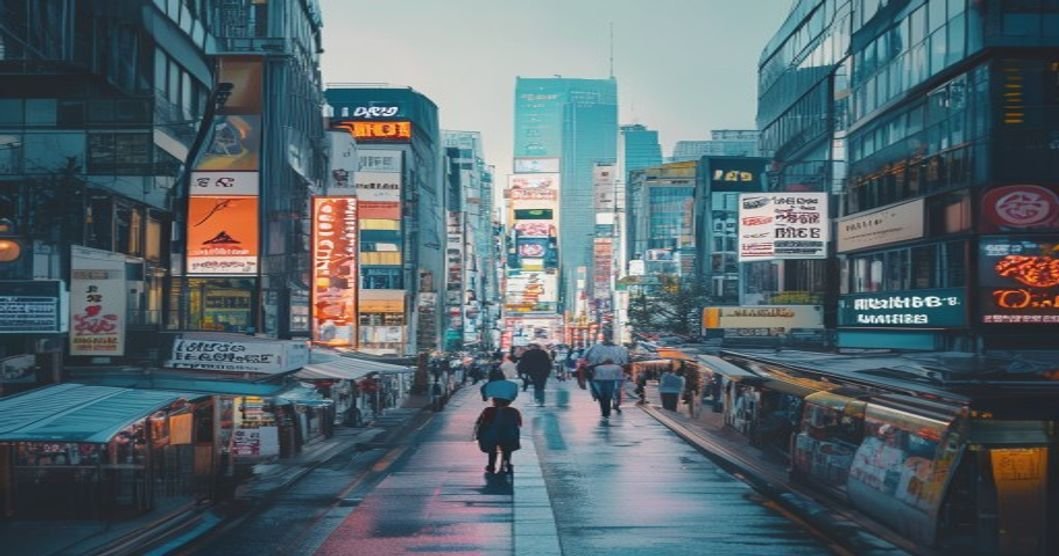
Tokyo is a city that dazzles with neon lights, timeless temples, and a culinary scene that can rival any capital in the world. For a first‑time visitor, the sheer number of things to see, eat, and do can feel overwhelming—but it doesn’t have to be. In this guide we’ll break down the essential attractions, share insider food picks that go beyond the tourist trail, and give you straightforward transit tips so you can glide through the metropolis with confidence. By the end, you’ll have a ready‑to‑use plan that lets you experience the best of Tokyo without missing a beat
- Must‑See Attractions for First‑Time Visitors
- 1. Historic Heartbeat: Asakusa & Senso‑ji Temple
- 2. Futuristic Skyline: Shibuya & Harajuku
- 3. Panoramic Views: Tokyo Skytree & Roppongi Hills
- Insider Food Picks: Where to Eat Like a Local
- Street‑Side Snacks You Can’t Miss
- Ramen, Sushi, & Beyond: Mid‑Day Meal Recommendations
- Sweet Endings: Desserts & Café Culture
- Simple Transit Tips to Keep You Moving
- Practical Day‑by‑Day Itinerary
- Helpful Apps, Resources & Language Tips
- Conclusion
Must‑See Attractions for First‑Time Visitors
1. Historic Heartbeat: Asakusa & Senso‑ji Temple
Asakusa feels like a living museum of Edo‑era Tokyo. The iconic Kaminarimon gate, with its massive red lantern, welcomes you to Nakamise‑dōri, a bustling street lined with stalls selling traditional snacks, souvenirs, and hand‑crafted fans. The highlight, however, is Senso‑ji, Tokyo’s oldest Buddhist temple. It’s an excellent place to practice a bit of mindfulness—light an incense stick, toss a coin into the offertory box, and take a moment to soak in the atmosphere.
Tips for a smooth visit:
- Arrive early (before 9 am) to beat the crowds, especially on weekends.
- Dress modestly; remove hats and sunglasses before entering the main hall.
- Bring cash for street food and temple‑shop purchases, as many vendors don’t accept cards.
- The Hachikō statue, a tribute to the loyal Akita dog, sits near the Shibuya crossing.
- In Harajuku, pop into the boutique “Kawaii Monster Café” for a truly Instagram‑worthy experience.
- For a quieter escape, wander into the adjacent Yoyogi Park, especially beautiful during cherry‑blossom season.
- Purchase tickets online to skip the line, especially during peak travel periods.
- Visit Skytree in the early evening for a blend of daylight and city lights.
- After the observation deck, explore the surrounding Solamachi shopping complex for souvenirs.
- Takoyaki (octopus balls) – Head to Gindaco in Akihabara for a fresh, piping‑hot batch.
- Karaage (Japanese fried chicken) – Try the bite‑size pieces at Torikizoku, a beloved izakaya chain.
- Yakitori (grilled chicken skewers) – For a more authentic experience, locate a tiny yakitori‑stand near Ueno’s Ameyoko Market.
- Ramen – Ichiran Shibuya offers a unique “solo dining” concept, where you sit in individual booths and focus on the broth. Their signature tonkotsu (pork bone) broth is rich, creamy, and customizable.
- Sushi – For a high‑end experience without breaking the bank, book a seat at Sushi Zanmai in Tsukiji. The “omakase” (chef’s choice) set includes fresh nigiri, sashimi, and a small sake tasting.
- Kaiseki (multi‑course) Light – Yoshinoya’s “Udon & Tempura” set at Ikebukuro provides an elegant take on comfort food, featuring hand‑made udon noodles paired with a crispy tempura side.
- Matsukawa (Shinjuku) – Known for its traditional wagashi (Japanese sweets) served with matcha tea.
- Flipper’s (Shibuya) – A pancake house where you can customize your stack with toppings ranging from fresh berries to Japanese custard.
- Afternoon Tea at The Peninsula (Marunouchi) – A luxurious experience featuring seasonal pastries and a view of the Imperial Palace Gardens.
- Grab a Suica or Pasmo card – These rechargeable IC cards work on virtually every train, bus, and even vending machines. Purchase one at any station for ¥2,000 (¥500 deposit + ¥1,500 credit).
- Use Google Maps or HyperDia – Both apps provide real‑time route suggestions, platform numbers, and transfer times.
- Mind the “Women‑Only” cars – During rush hour (7:30‑9:30 am & 5:00‑7:00 pm) many lines have a designated car for female passengers; other cars remain open for all.
- Bus fares are usually flat (¥210 for a 10‑km ride) and can be paid with your Suica/Pasmo card.
- Taxis are reliable but pricey; a typical flag‑down fare starts at ¥410, plus ¥80 per 280 m. For budget travelers, ask the driver to install a “taxi app” (e.g., JapanTaxi) that offers discounts.
- Keep phone volume low and avoid phone conversations on trains.
- Queue up at designated “waiting lines” (marked by white lines on platforms) before boarding.
- Exit from the left side on escalators—most Japanese follow this rule to keep flow smooth.
- Morning: Visit Senso‑ji Temple and explore Nakamise‑dōri.
- Midday: Lunch at Ichiran Shibuya for a ramen boost.
- Afternoon: Walk the Shibuya Scramble, snap a photo at Hachikō statue, then head up to the Shibuya Sky observation deck.
- Evening: Dinner at Sushi Zanmai (Tsukiji) followed by a stroll along the Sumida River.
- Morning: Wander the Meiji Shrine’s forested grounds, then stroll through Harajuku’s Takeshita Street.
- Lunch: Grab a crepe from a local stall and a side of takoyaki from Gindaco.
- Afternoon: Explore the Mori Art Museum in Roppongi Hills; finish with a view from the Tokyo City View observation deck.
- Night: Experience nightlife in Roppongi or enjoy a quiet drink at a rooftop bar in Shinjuku.
- Morning: Ride the Tobu Skytree Line to Tokyo Skytree; ascend to the Tembo Deck.
- Lunch: Sample sushi at the Skytree’s Solamachi marketplace.
- Afternoon: Shop for electronics in Akihabara, then unwind in Ueno Park’s museums.
- Evening: End with a sweet treat at Flipper’s and a night‑time walk through illuminated Ginza.
- Transit: Japan Travel by Navitime, HyperDia, and Google Maps for train routes.
- Translation: Google Translate with camera mode works well for menu items and signs.
- Dining Reservations: Tabelog (Japanese version of Yelp) offers user reviews and the ability to book tables.
- Language Basics: Learning a few polite phrases goes a long way—“Sumimasen” (Excuse me), “Arigatō gozaimasu” (Thank you), and “Kudasai” (Please) are all you need for most interactions.
2. Futuristic Skyline: Shibuya & Harajuku
No trip to Tokyo is complete without crossing the legendary Shibuya Scramble. From a nearby café or the second‑floor viewing platform at the Shibuya Station “Mylord” building, you can watch up to 3,000 pedestrians surge across the intersection with each green light—a perfect photo op. Just a short walk away, Harajuku’s Takeshita Street offers a vibrant contrast of quirky fashion boutiques, crepe stalls, and pop‑culture shops.
What not to miss:
3. Panoramic Views: Tokyo Skytree & Roppongi Hills
If you’re chasing city vistas, Tokyo Skytree (634 m) and the Roppongi Hills Mori Tower both deliver spectacular 360° panoramas. Skytree’s observation decks are divided into two levels—Tembo Deck (350 m) and Tembo Galleria (450 m)—each offering distinct perspectives of the sprawling metropolis and, on clear days, Mount Fuji. Roppongi Hills, meanwhile, pairs a stunning view with a contemporary art museum (Mori Art Museum) and a lively nightlife district.
Practical pointers:
Insider Food Picks: Where to Eat Like a Local
Street‑Side Snacks You Can’t Miss
Tokyo’s street food is a treasure trove of flavors. While you’ll find many tourists crowding the famous crepe stalls in Harajuku, venture a few blocks deeper and discover lesser‑known gems:
These options are perfect for a quick energy boost between sightseeing stops, and they’re all reasonably priced (typically ¥300‑¥600 per item).
Ramen, Sushi, & Beyond: Mid‑Day Meal Recommendations
When hunger strikes after a morning of temple touring or sky‑scraping, these three establishments balance quality with convenience:
Sweet Endings: Desserts & Café Culture
Tokyo’s café scene is as varied as its neighborhoods. For a memorable finale, consider these three spots:
Simple Transit Tips to Keep You Moving
Navigating the Train Network
Tokyo’s rail system—comprising JR lines, Tokyo Metro, and private operators—covers the city like a spider’s web. Here’s a quick cheat‑sheet to make it foolproof:
Bus & Taxi Basics
While trains dominate, buses can be handy for short hops or reaching places not directly served by rail.
Etiquette & Safety
Tokyo is known for its polite commuter culture. Keep these practices in mind:
Practical Day‑by‑Day Itinerary
Day 1: Old Meets New
Day 2: Cultural Immersion
Day 3: Skyline & Shopping
Feel free to shuffle attractions based on your interests; the city’s transit system makes it easy to hop between neighborhoods in under 30 minutes.
Helpful Apps, Resources & Language Tips
Conclusion
Tokyo’s magnetism lies in its ability to blend centuries‑old tradition with cutting‑edge modernity, and it rewards travelers who venture beyond the guidebooks. By focusing on a handful of must‑see attractions, tasting insider food spots, and mastering the city’s effortless transit system, you’ll transform a daunting first visit into a series of seamless, unforgettable experiences. Ready to plan your Tokyo adventure? Grab a Suica card, pick a favorite neighborhood from this guide, and start exploring—Tokyo’s streets are waiting for you.
Take the next step: download a transit app, book your first restaurant reservation, and set your departure date. Your unforgettable Tokyo journey begins today!